






Our Commitment
DAYTONA 73
More responsible production
At Daytona 73, we are deeply concerned about the environment and attentive to new processes we can implement. We meticulously oversee the manufacturing of our clothing, and we are committed to being transparent with our customers to reassure them in their purchases.
To achieve this, we have committed to reducing as much as possible our environmental and social impacts related to the use of leather.

The Leather Working Group certification
Our environmentally friendly processes
"Essential clothing for modern adventurers, built to last."

THE SORONA
An eco-friendly fiber
Why Sorona?
At a time when the environmental impact of the fashion industry is a major issue, we highlight Sorona, an innovative material mainly used for the puffer jackets in our Fall/Winter collection.
Sorona represents a revolution in the textile industry, offering an ecological and high-performance alternative to traditional synthetic fibers. By incorporating it into our products, we help preserve our planet while promoting responsible fashion.
Renewable Durability
Sorona uses corn, reducing reliance on non-renewable resources and the carbon footprint. UV-resistant, it extends the lifespan of fabrics.
Biodegradability
Unlike conventional polyester, Sorona is biodegradable, offering a more environmentally friendly solution.
Performance
Sorona offers comparable, if not superior, durability, softness, and elasticity to traditional polyester. It dries quickly, does not wrinkle, and does not pill.
Reduction of plastic waste
By using biodegradable fibers, Sorona helps reduce plastic waste in oceans and landfills.

VEGETABLE TANNING
A more respectful production technique.
Why vegetable tanning?
In an era when people are becoming more aware of the ethics behind garment manufacturing processes and their environmental impact, vegan leather is growing in popularity. Contrary to what its name might misleadingly suggest, vegan leather is not leather made from trees and plants, but is indeed made from animal hide.
The name makes full sense when you look at the manufacturing process itself. In fact, it is the transformation of the hide, its tanning, that is referred to as vegan.
Vegetal vs mineral
It is contrasted with the usual mineral tanning process. Vegetable tanning is done using tannins of plant origin, such as oak bark, chestnut bark, roots, and leaves, for different results depending on the chosen raw material.
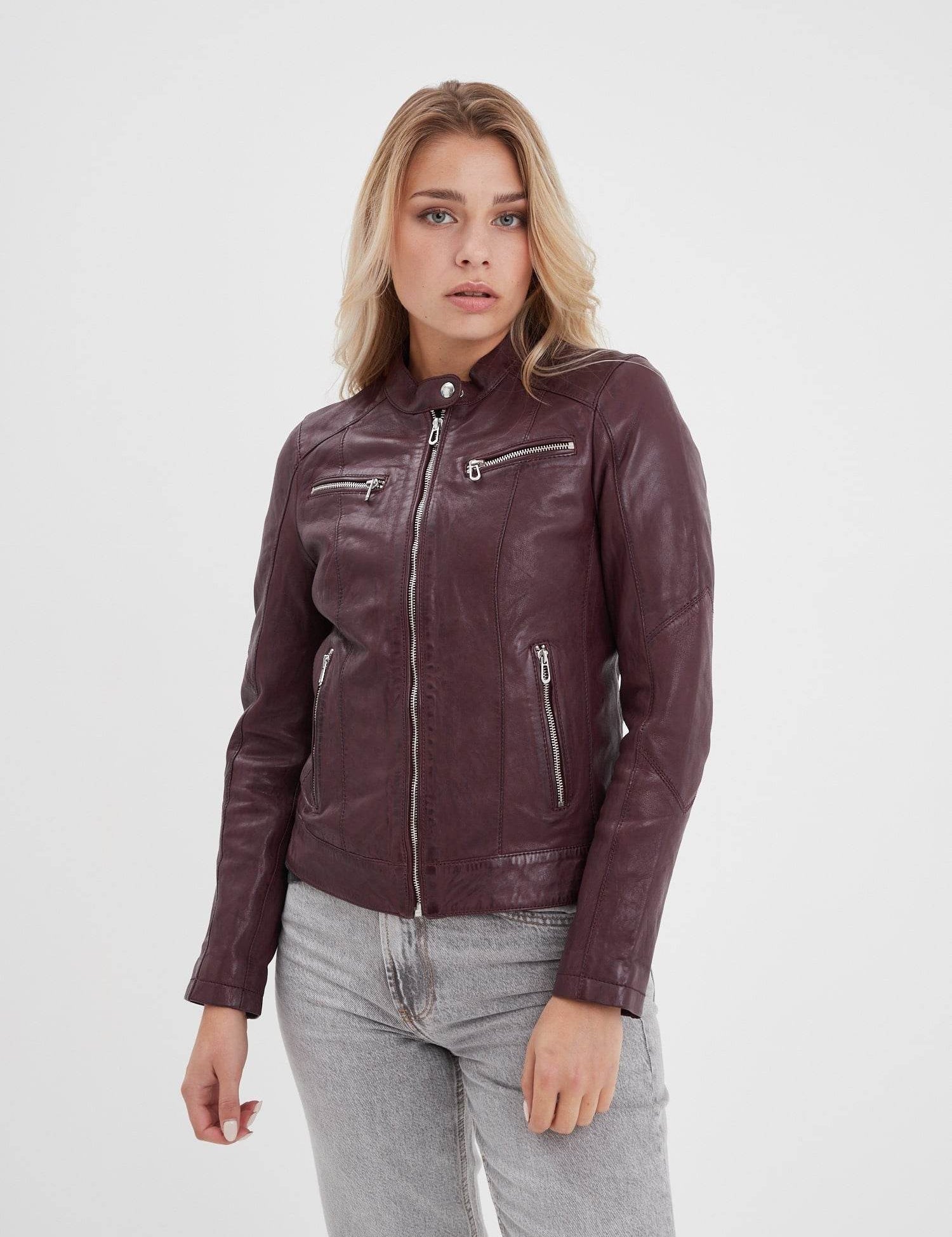
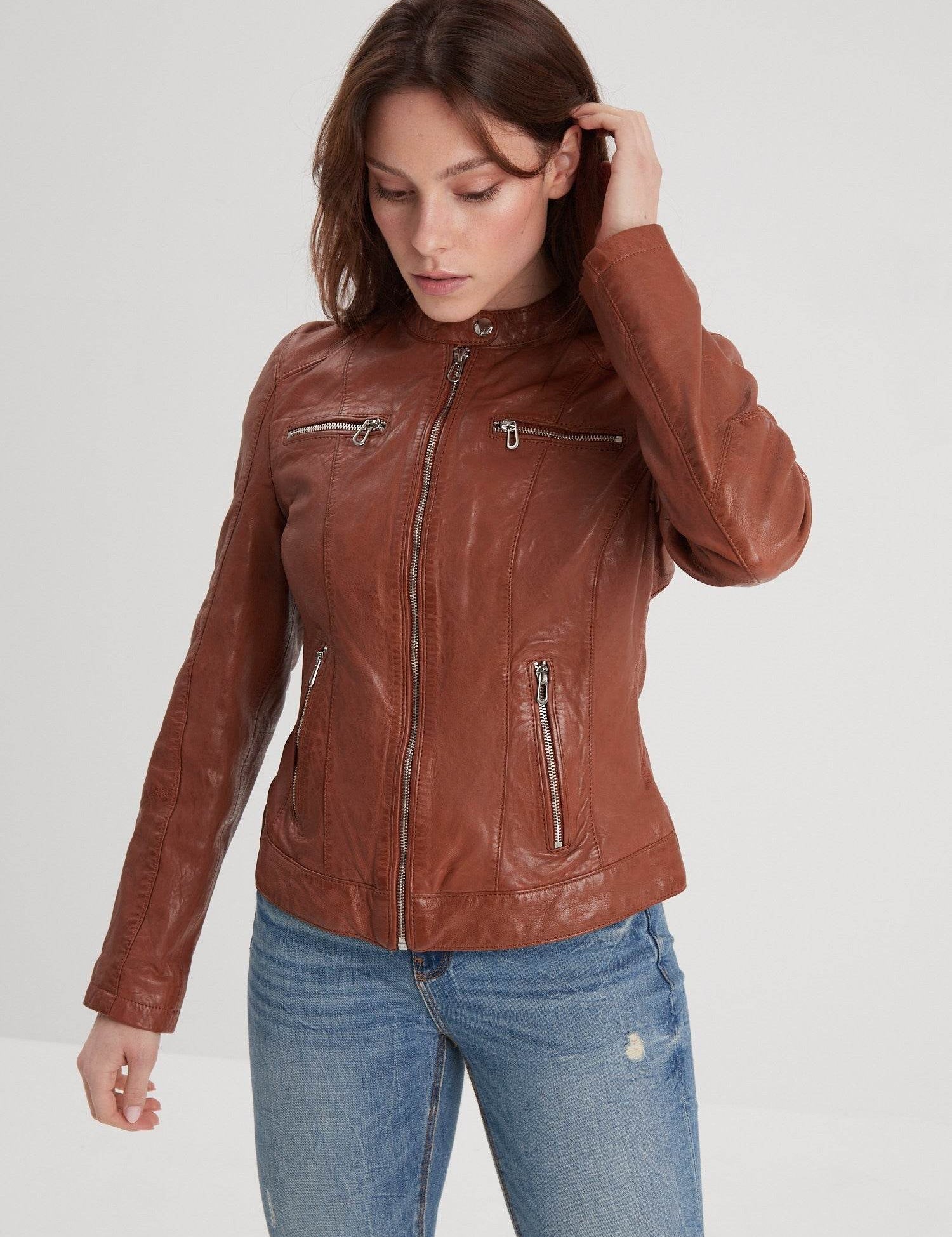
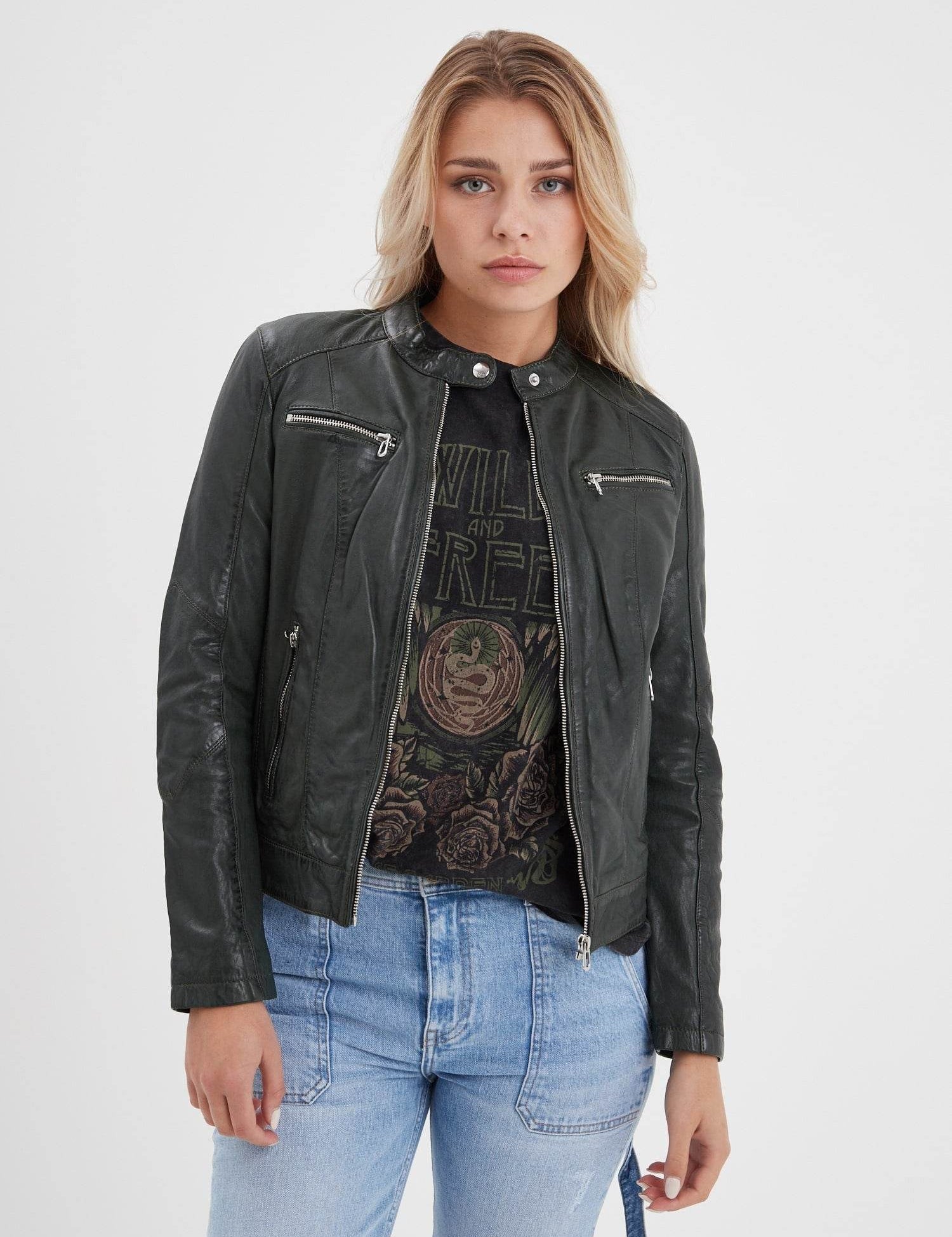
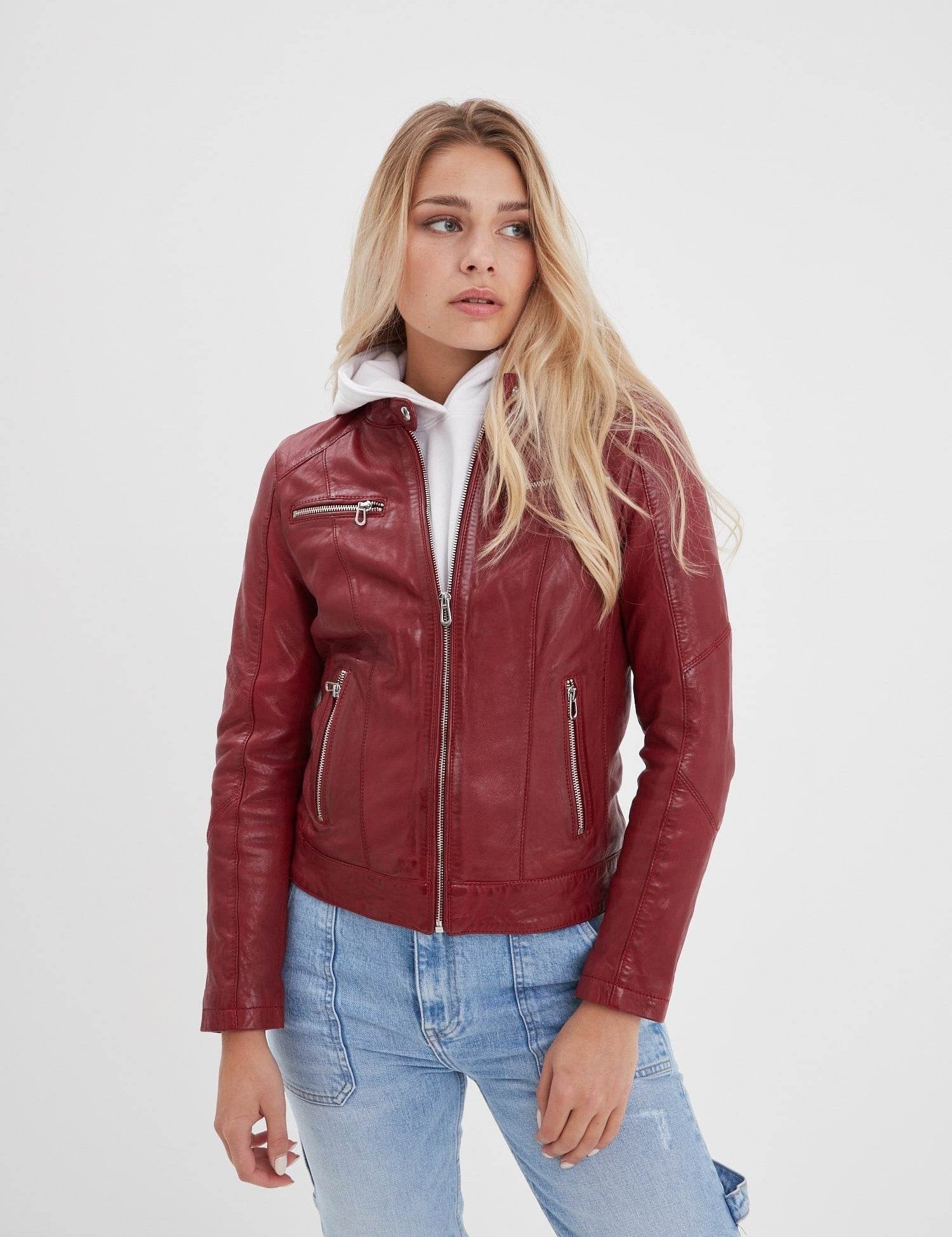
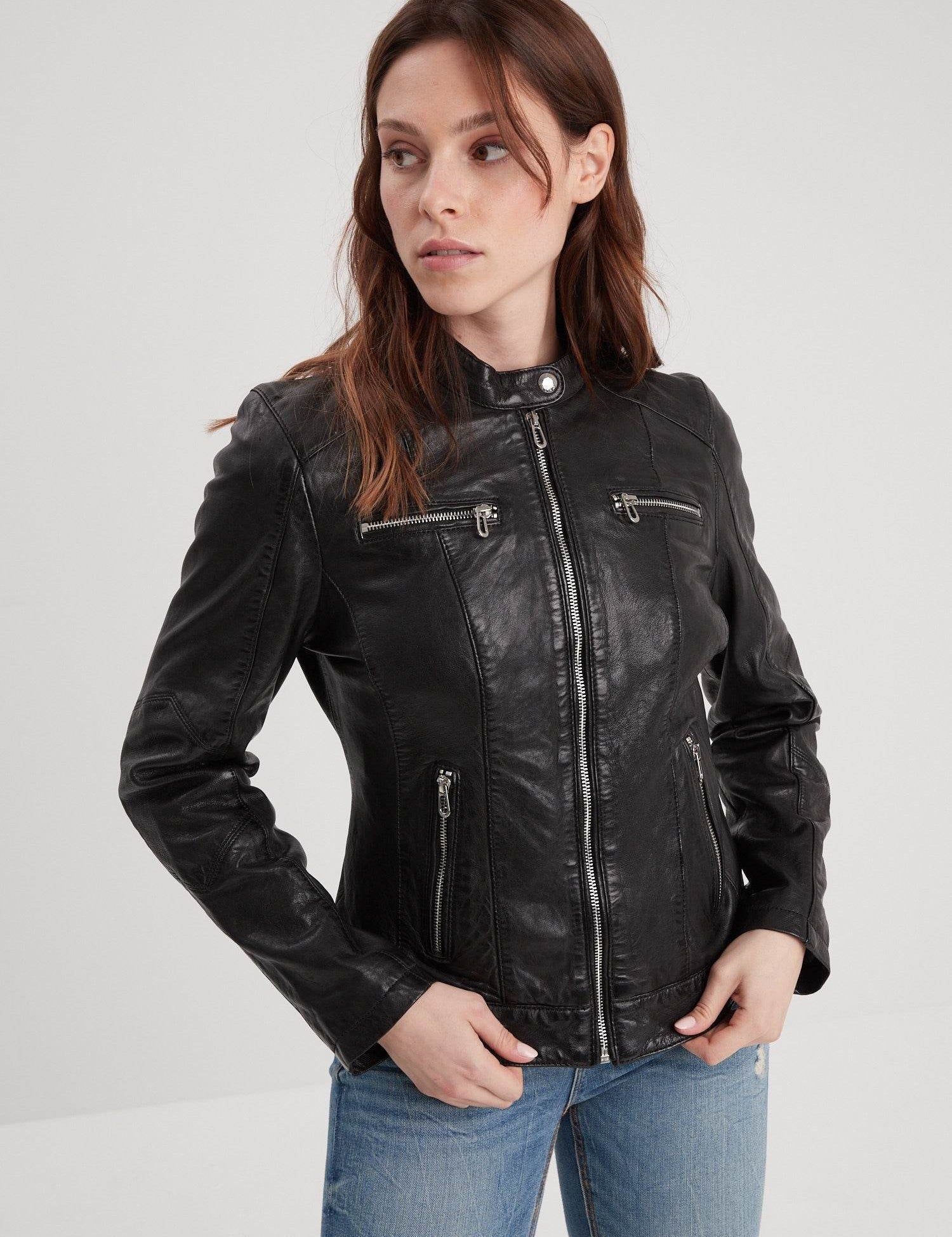
The process can take ten days to several months depending on the methods and desired result. We use this process for many of our jackets.











A REGULATED SECTOR
At DAYTONA 73, we are committed to minimizing the impact of our operations on the environment. That is why we work with factories that comply with the REACH standards set by the European Union to limit risks related to chemical substances, both for the environment and for health.
The requirements set by this regulation directly affect the leather industry and apply to manufacturers.

The chemical substances used in the manufacturing process of a leather garment are subject to restrictions. Depending on the product, a threshold must not be exceeded, otherwise its placement on the market will be prohibited.
As such, we have completely banned the practice of using hexavalent chromium baths on hides, deemed too dangerous.
OUR COMMITMENT
Proven know-how
Our leather jackets are manufactured in Pakistan. We want to be transparent about our manufacturing process. Leather craftsmanship in this region is very advanced and has exceptional expertise.

Leather is a premium material, and it’s important to remember that it has been used for millennia—likely the first material humans used to protect themselves from the cold.
All the leather we use comes from the agri-food industry. Animals are in no way raised for their hides (we are specifically talking about leather, not fur). We repurpose these hides to create clothing and accessories.
Our partner factories in Pakistan are experts in their field, and we are fortunate to have an on-site expert office integrated into our company that develops and oversees our products while fully complying with the required standards.
They select the skins with care. All our tanneries comply with "REACH" standards, a European regulation (regulation no. 1907/2006) that entered into force in 2007 to ensure the safety of the manufacture and use of chemical substances in the European industry.


